At Katalyst Engineering Services, we continually strive to drive innovation by deftly utilizing these resources, changing the issues encountered by various industries and fields with potential solutions.
At Katalyst Engineering Services, we continually strive to drive innovation by deftly utilizing these resources, changing the issues encountered by various industries and fields with potential solutions.
Summary
Regulatory requirements in engineering and manufacturing are becoming stricter every year. Companies must demonstrate compliance with safety, quality, and operational standards across the entire product lifecycle.
However, many organizations struggle not because they lack engineering expertise, but because their documentation is inconsistent, outdated, or difficult to audit.
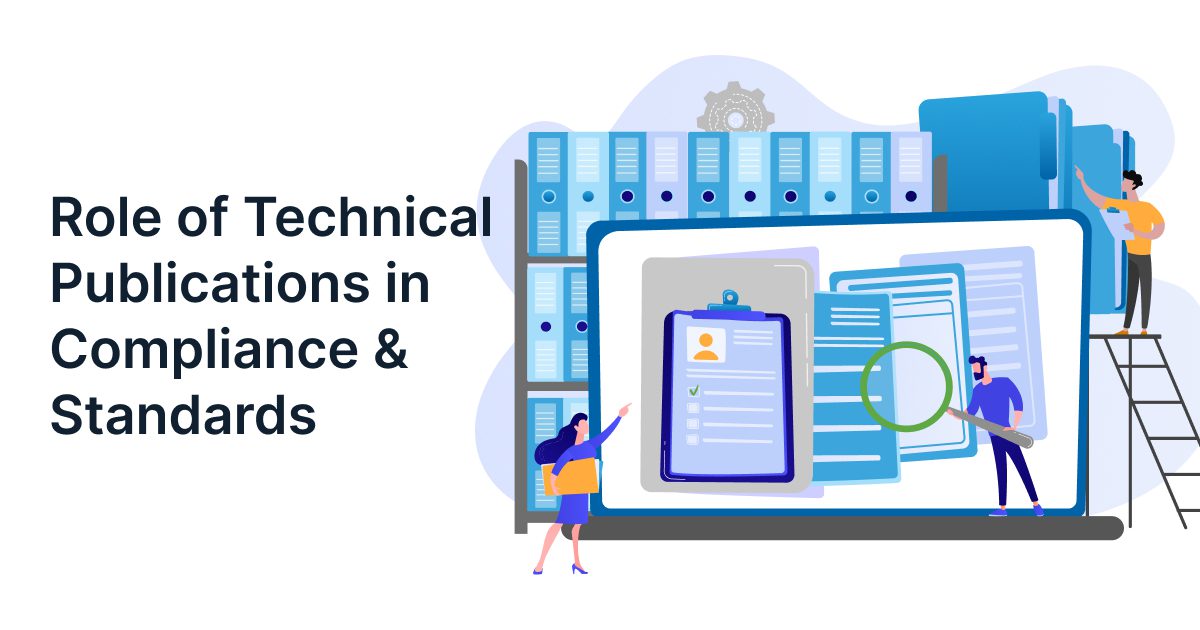
This is where technical publications for regulatory compliance play a critical role. Well-structured documentation ensures that engineering information is clear, traceable, and aligned with industry regulations.
By implementing structured technical documentation for compliance, organizations can reduce audit risks, improve product safety, and maintain operational transparency across teams and regulators.

Compliance is not only about meeting regulations, it is about proving that your processes, products, and systems follow defined standards.
Technical publications provide the documentation framework that regulators and auditors rely on. Structured technical publications help convert complex engineering information into standardized manuals, procedures, and compliance documentation. Examples of compliance-driven documentation include:
Without structured documentation, organizations may face regulatory delays, product recalls, or operational risks.
| Did You Know? During regulatory inspections, the U.S. FDA issues Form FDA 483 to document observations when inspectors identify conditions that may indicate violations of regulatory requirements. These observations often relate to issues in processes, quality systems, or documentation practices. |
Technical publications play a critical role in ensuring organizations meet compliance requirements across industries such as aerospace, medical devices, heavy machinery, and manufacturing.
Below are the key ways they support compliance.
Regulatory standards require organizations to track changes in engineering designs, manufacturing processes, and operational procedures.
Technical publications provide:
This ensures that every update can be tracked during regulatory reviews.
Regulatory bodies require documented evidence of compliance.
Well-structured technical documentation for compliance allows organizations to quickly present:
When documentation is centralized and structured, audits become faster and less disruptive.
Technical publications ensure that processes are performed consistently across teams and locations.
Standardized documentation helps organizations:
When employees follow clearly documented procedures, the risk of errors decreases significantly.
This improves:
Incomplete or poorly structured documentation can directly impact product safety and compliance, increasing the risk of operational errors, regulatory issues, and safety concerns across the product lifecycle.
The table below shows common types of compliance-related technical documentation used in regulated industries.
| Technical Publication Type | Purpose in Compliance |
| Installation Manuals | Ensure equipment is installed according to regulatory guidelines |
| Operation Manuals | Guide operators to follow safe and compliant procedures |
| Maintenance Documentation | Maintain equipment reliability and compliance with safety regulations |
| Compliance Reports | Provide documented evidence during regulatory audits |
| Engineering Change Documentation | Track product modifications and regulatory impact |
These documents collectively create a structured documentation ecosystem that supports compliance throughout the product lifecycle.
Many organizations underestimate the impact of documentation on regulatory compliance.
Common documentation challenges include:
• Unstructured document storage
• Outdated engineering manuals
• Lack of version control
• Inconsistent documentation standards
• Manual document updates
These issues make it difficult to prove compliance during audits and increase the risk of regulatory penalties. Poorly managed technical documentation can also create gaps in traceability, making regulatory verification more difficult.
Organizations that treat technical publications as part of engineering governance are better prepared to meet evolving standards.
Modern engineering environments rely on digital tools to manage complex documentation requirements.
Digital technical publication systems help organizations:
This digital approach allows organizations to manage compliance documentation more efficiently and reduce operational risks.
Organizations that integrate digital documentation workflows significantly improve traceability and compliance readiness.
| Leadership Perspective |
| “Quality means doing it right when no one is looking.” — Henry Ford, Founder of Ford Motor Company |
| Source: https://www.brainyquote.com/quotes/henry_ford_101574 |
This perspective highlights the importance of building structured processes where documentation supports operational excellence and regulatory trust.
Organizations that successfully maintain regulatory compliance typically follow these documentation practices:
Using standardized formats ensures documentation consistency across departments.
Documentation should evolve alongside engineering design changes.
Periodic reviews ensure documentation stays aligned with updated regulations.
Centralized platforms help maintain traceability and reduce duplication.
Engineering expertise combined with structured documentation ensures accuracy and usability.
Technical publications are often viewed as support documentation. In reality, they are a core component of compliance governance.
Organizations that invest in structured technical documentation benefit from:
Engineering-driven documentation frameworks help organizations maintain compliance while improving operational efficiency.
As regulatory frameworks become more complex, organizations cannot rely on fragmented or outdated documentation.
Technical publications for regulatory compliance provide the structured documentation framework required to maintain transparency, traceability, and operational consistency.
When organizations adopt structured technical documentation for compliance, they not only meet regulatory requirements but also improve efficiency, safety, and knowledge management across their operations.
To implement reliable and scalable documentation frameworks, companies often partner with engineering experts who understand both regulatory standards and technical publishing systems.
If your organization is struggling to manage complex engineering documentation or regulatory requirements, structured technical publications can make a significant difference.
Explore how Katalyst Engineering’s technical publication solutions can help you transform engineering data into clear, compliant documentation that supports operational excellence.

Technical publications for regulatory compliance are structured documents that demonstrate adherence to industry regulations, safety standards, and operational procedures.
Technical documentation provides traceable records that regulators and auditors use to verify that systems and processes meet required standards.
Industries such as aerospace, automotive, medical devices, manufacturing, and energy rely heavily on structured technical publications for regulatory compliance.
They provide organized, traceable documentation that allows auditors to quickly verify compliance without disrupting operations.
Organizations can improve compliance documentation by implementing standardized templates, digital document management systems, and structured publication workflows.
Bhavik Shah is the Vice President of Global Engineering and Manufacturing at Katalyst Engineering, with over 22 years of experience in the engineering industry. He specializes in product development, R&D, and engineering delivery operations, driving innovative, design-led solutions across automotive, industrial, and off-highway sectors. Bhavik plays a key role in strengthening engineering strategies, building global partnerships, and delivering high-performance outcomes for clients.
Need help understanding our services in depth? Our team of experts will specify everything you require. Tap on the Contact Us button and connect with our team today!