At Katalyst Engineering Services, we continually strive to drive innovation by deftly utilizing these resources, changing the issues encountered by various industries and fields with potential solutions.
At Katalyst Engineering Services, we continually strive to drive innovation by deftly utilizing these resources, changing the issues encountered by various industries and fields with potential solutions.


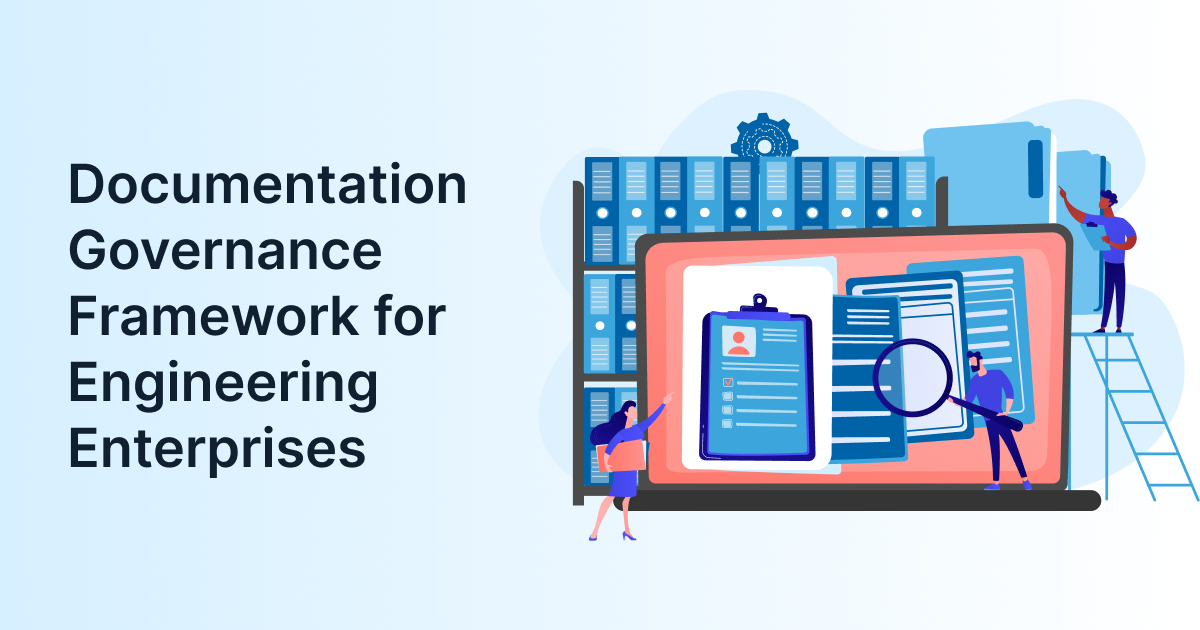
Industrial teams don’t need more documents. They need controlled, searchable & audit‑ready documentation that matches how work happens. To reduce errors, pass audits faster, and keep equipment running safely, you need a structured technical documentation process that ties SOPs, work instructions, and change records to real workflows.
If you’re evaluating how to strengthen your documentation governance, our technical publication services can help you build a controlled, lifecycle‑based system aligned with industrial realities.
To keep operations consistent and compliant, you need documentation that is version‑controlled, easy to find & tied to actual tasks. Without this, teams execute from outdated steps, audits stall on missing evidence & small changes create big downstream risk.
In practice, its value shows up as fewer production errors, faster certification cycles, and stronger cross‑functional collaboration. It converts engineering intent into controlled execution across shifts and sites.
For a broader view of how documentation supports day‑to‑day manufacturing, see our piece on technical publications in engineering & manufacturing.
To avoid confusion during audits or change control, you need a clear definition: industrial documentation is the set of controlled records that guide operational, engineering, and compliance activities. Unlike general docs, it includes versioning, approvals & lifecycle governance.
Typical contents include SOPs, maintenance manuals, inspection/validation reports, compliance files, engineering change records, and asset lifecycle documentation. The difference is governance: structured templates, approval workflows, and digital traceability.
If you’re mapping documentation to regulations, our article on how technical publications support regulatory compliance in manufacturing breaks down the traceability auditors expect.
To be audit‑ready at any time, you need controlled versions, revision histories, and searchable audit trails that prove what happened, when, and by whom. This removes post‑facto scrambling and makes evidence easy to produce.
Well‑managed industrial documentation strengthens compliance by maintaining approved versions, preserving change logs, and enabling structured audit trails. Teams spend less time hunting for records and more time addressing findings.
A strong technical documentation process improves audit readiness in three practical ways. First, it enforces version control, so operators and auditors always see the current, approved procedure, eliminating “which file is right?” moments. Second, it captures who approved what and when, creating a defensible trail that satisfies ISO and customer audits. Third, it centralizes records so inspection packs, validation files, and change histories can be pulled in minutes instead of days.
When documentation is governed this way, findings shift from “missing evidence” to minor observations, and corrective actions close faster because the system already shows traceability. That’s the difference between reactive scrambling and being audit‑ready at any time.
For a deeper dive into failure modes when documentation is weak, read how poor technical documentation impacts product safety & compliance.

To cover the full workflow, the four core categories that provide a practical starting point are process, maintenance, compliance, and engineering documentation. Each reduces variability and improves traceability in its own lane.
Understanding these categories helps you build a framework aligned with operational objectives and audit expectations. For context on how this fits the bigger picture, see the role of technical publications in modern manufacturing.
To make documentation protective (not reactive), you need standardized templates, digital workflows, version control, approvals & lifecycle governance. This turns documents into a managed system, not a folder of files.
Best practices checklist
If your team is deciding between documentation approaches, our comparison of technical publications vs technical writing clarifies governance vs one‑off writing.
Industry Insight A Crown RMS insight notes that digital document management provides access to the correct document version and creates clear, defensible audit trails, helping organizations shorten audit cycles and strengthen ISO and regulatory compliance. |
To avoid version drift and compliance gaps, you need to fix manual updates, inconsistent formatting, disconnected systems, and unclear ownership. These are the root causes of reactive documentation.
Common fixes include moving to structured templates, adopting digital workflows with approvals, integrating with ERP/MES/PLM where possible, and assigning clear document owners. The goal is a single source of truth with searchable audit trails.
| Capability | Legacy/Unstructured | Structured/Controlled |
| Updates | Manual, error‑prone | Engineering changed orders (ECO)‑triggered, workflow‑based |
| Versioning | High risk of outdated files | Single source of truth |
| Access | Scattered folders/emails | Central repo with role‑based access |
| Audit trails | Weak or missing | Defensible, time‑stamped logs |
| Change control | Ad hoc | Formal approvals + traceability |
To reduce scrap from revision errors and speed inspections, you need documentation that updates automatically when engineering changes occur. This creates a connected digital thread between engineering changes, operational procedures, and controlled documentation.
When documentation systems are digitally integrated, engineering changes can trigger controlled document-review and update workflows, operators access validated procedures instantly, audit trails become searchable, and compliance reporting accelerates. This is how documentation supports agility instead of slowing it.
For a forward‑looking view of where this is headed, see our article on the future of technical publications in engineering: AI, digital twins, and the end of the static manual.
Key Takeaways
Technical documentation becomes a strategic asset when it’s structured, governed, and integrated with how work happens. If you’re planning a documentation overhaul or need help making your content audit‑ready, our team can walk you through a practical, phased approach. Reach out to our experts at Katalyst Engineering to start the conversation.

1. What is the importance of technical documentation in industrial operations?
It ensures operational consistency, compliance alignment, safety governance, and structured risk management by converting engineering intent into controlled execution. With version control and audit trails, teams reduce errors and pass audits faster.
2. What are the main types of technical documentation in industrial environments?
Process documentation (SOPs, work instructions), maintenance manuals and service reports, compliance records (inspections, certifications) & engineering documentation (specs, validation, change records). Each supports traceability and reduces variability.
3. How does technical documentation support risk management?
It enforces change control, maintains traceability, standardizes procedures, and supports incident investigations through documented evidence. This prevents outdated steps from being used and clarifies escalation paths.
4. What is the impact of technical documentation on compliance?
It improves audit readiness, strengthens regulatory traceability, and reduces penalty risk from documentation gaps. Controlled versions and approval histories make evidence easy to produce.
5. How can organizations improve industrial documentation systems?
Implement structured templates, digital workflows, version control, approvals, and lifecycle governance. Centralize content, enforce role‑based access & review on change or at least annually.
6. Which technical documents are essential for industrial equipment?
SOPs, work instructions, maintenance manuals, inspection/validation reports, engineering change records, and compliance files (safety/environmental). These form the core evidence set for audits and safe operation.
7. When should documentation be updated?
Documentation should be updated whenever a product, process, equipment, specification, regulation, or work instruction changes and reviewed periodically to ensure it still reflects actual practice.

Senior Vice President, Katalyst Engineering
Bhavik Shah is the Vice President of Global Engineering and Manufacturing at Katalyst Engineering, with over 22 years of experience in the engineering industry. He specializes in product development, R&D, and engineering delivery operations, driving innovative, design-led solutions across automotive, industrial, and off-highway sectors. Bhavik plays a key role in strengthening engineering strategies, building global partnerships, and delivering high-performance outcomes for clients.