At Katalyst Engineering Services, we continually strive to drive innovation by deftly utilizing these resources, changing the issues encountered by various industries and fields with potential solutions.
At Katalyst Engineering Services, we continually strive to drive innovation by deftly utilizing these resources, changing the issues encountered by various industries and fields with potential solutions.
Industrial operations depend on precision, repeatability, and regulatory discipline. As production systems become increasingly automated and interconnected, the need for structured documentation governance becomes critical.
Yet in many organizations, documentation remains fragmented. Engineering teams create specifications, operations teams develop work instructions, and quality teams maintain compliance records often without a unified publication framework. This separation creates inconsistencies, weakens traceability, and increases operational exposure.
A structured approach to industrial documentation transforms documentation from static files into a managed system aligned with actual operational workflows. Similar to structured technical publications in engineering & manufacturing, industrial documentation must integrate governance, traceability, and lifecycle control.
Industrial environments are inherently risk sensitive. Even minor inconsistencies in documentation can result in rework, compliance findings, safety incidents, or equipment failures.
The true importance of technical publication becomes evident when documentation directly influences how safely and consistently operations are executed.

Manufacturing and industrial operations rely on repeatable processes. Structured operations documentation ensures that procedures are clearly defined, validated, and consistently followed across shifts and facilities.
Controlled Standard Operating Procedures (SOPs), work instructions, and process documentation:
Version control and approval workflows ensure outdated procedures are not mistakenly used, preserving operational integrity.
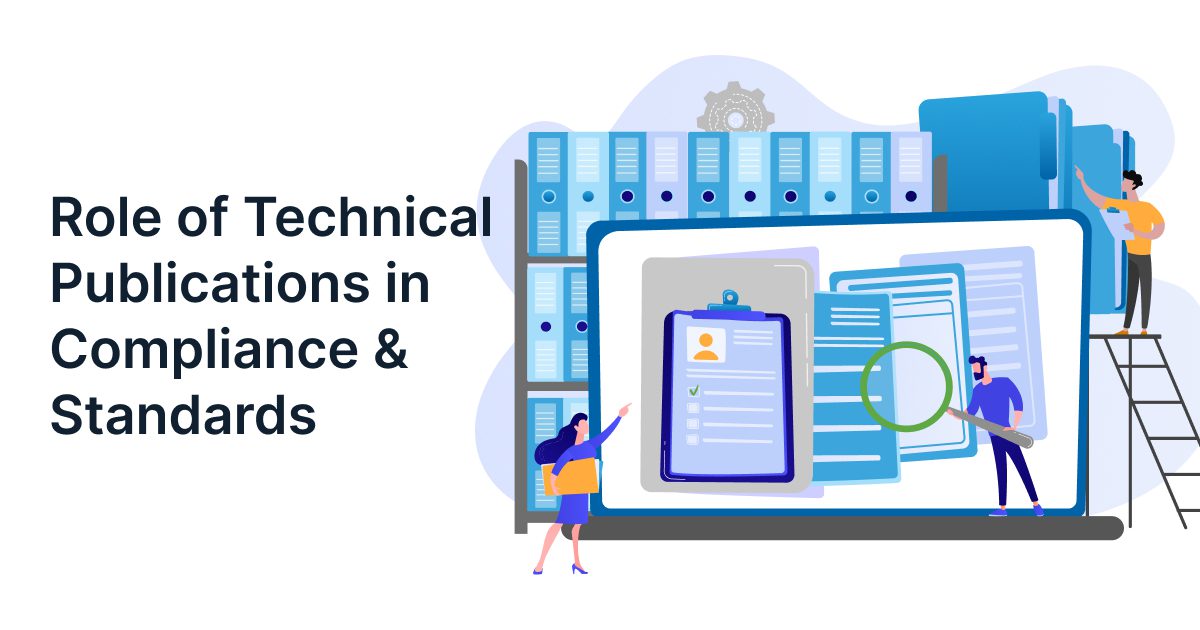
Industrial sectors operate under strict regulatory oversight, where documentation plays a central role in regulatory compliance in manufacturing.
Well-managed industrial documentation strengthens compliance by:
The impact of technical documentation on compliance performance is measurable. Organizations with structured documentation frameworks experience smoother audits and stronger regulatory confidence.
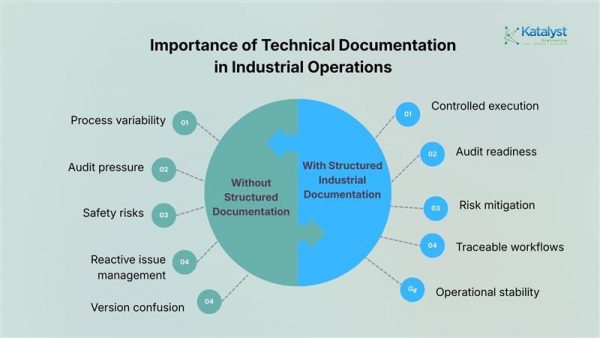
Safety in industrial operations depends on clarity and consistency. Poorly maintained procedures increase the likelihood of human error and unsafe practices.
Structured documentation functions as a preventive risk management tool. It defines safety protocols, clarifies escalation procedures, and ensures standardized execution of critical tasks.
The role of technical documentation in risk management includes enforcing controlled change management, maintaining traceability, and supporting incident investigations through documented evidence.
Without governance, documentation becomes reactive. With governance, it becomes protective.
Industrial documentation refers to structured and controlled records that guide operational, engineering, and compliance activities.
This includes:
Unlike general documentation, professional publications engineering systems incorporate:
Many organizations begin by understanding what technical publications are and why they matter before implementing structured industrial documentation systems.
Recognizing the industrial documentation importance requires shifting from document creation to documentation governance.
Understanding the types of technical documentation helps organizations build structured frameworks aligned with operational objectives.
Defines operational workflows and execution standards.
Examples include SOPs, work instructions, and production records.
Supports asset lifecycle management and equipment reliability.
Includes preventive maintenance schedules, service reports, and technical manuals.
Ensures regulatory adherence.
Includes audit records, inspection documentation, safety certifications, and environmental compliance files.
Supports design integrity and controlled modifications.
Includes specifications, validation reports, and engineering change documentation.
Each category contributes to the overall operational documentation benefits by reducing variability and improving traceability.
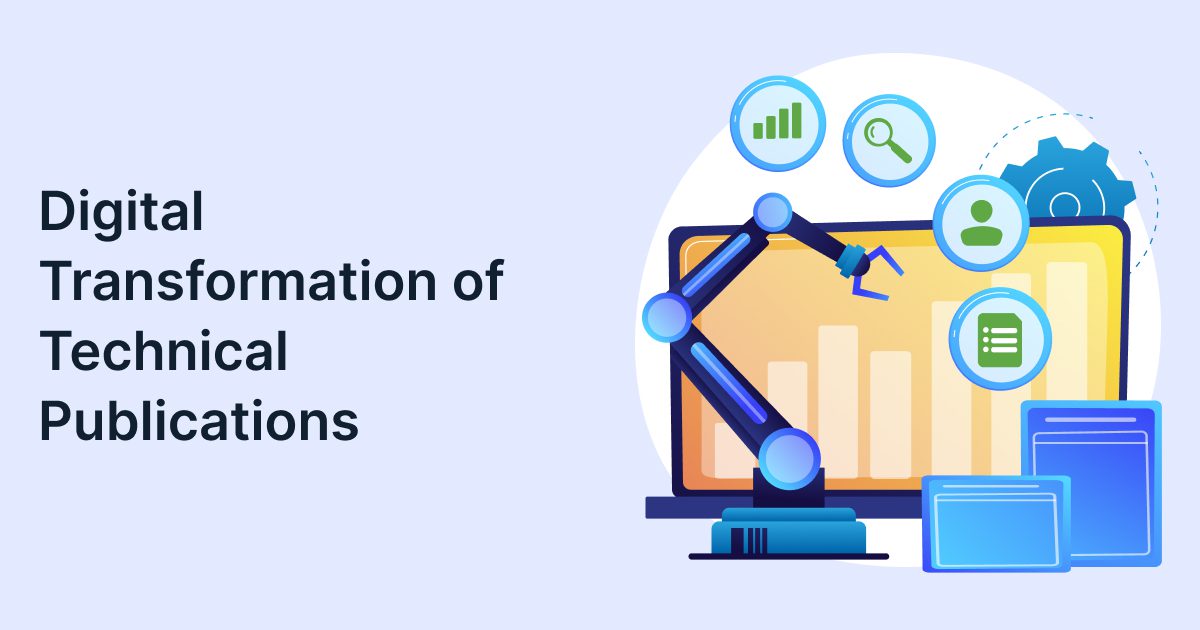
Modern industrial operations increasingly rely on digital ecosystems. Automation, smart factories, and integrated ERP systems require documentation frameworks that evolve in real time.
When documentation systems are digitally integrated:
The impact of technical documentation expands significantly when documentation systems are integrated with digital operations rather than managed manually.
Digital governance ensures documentation supports operational agility rather than slowing it down.
Despite understanding its importance, many organizations struggle with documentation governance.
Common challenges include:
Many organizations also fail to distinguish between technical publications vs technical writing frameworks, resulting in documentation that lacks lifecycle governance and compliance alignment.
Without structured governance, documentation remains reactive instead of strategic.
Well-managed documentation creates measurable operational impact:
The importance of technical documentation in industrial operations extends beyond administrative requirements. It directly influences efficiency, safety, and organizational resilience.
Organizations that embed documentation governance into operational strategy treat documentation as a performance enabler not merely a compliance necessity.
Katalyst Engineering specializes in structured technical documentation systems aligned with industrial realities.
Our expertise includes:
We combine engineering domain knowledge with controlled publication methodologies to ensure documentation strengthens operational performance rather than slowing innovation.
Facing documentation inefficiencies, audit pressure, or fragmented workflows?
Katalyst Engineering helps industrial organizations build structured, scalable, and compliance-ready documentation systems that enhance clarity, traceability, and risk control.
Connect with Katalyst Engineering to transform documentation into a strategic operational asset.

What is the importance of technical documentation in industrial operations?
It ensures operational consistency, compliance alignment, safety governance, and structured risk management by converting engineering intent into controlled execution.
What are the main types of technical documentation in industrial environments?
Process documentation, maintenance manuals, compliance records, and engineering change documentation form the core categories.
How does technical documentation support risk management?
The role of technical documentation in risk management includes enforcing change control, maintaining traceability, standardizing procedures, and supporting investigations.
What is the impact of technical documentation on compliance?
It improves audit readiness, strengthens regulatory traceability, and reduces the risk of penalties caused by documentation gaps.
How can organizations improve industrial documentation systems?
By implementing structured templates, digital workflows, version control mechanisms, approval systems, and lifecycle governance frameworks.
Bhavik Shah is the Vice President of Global Engineering and Manufacturing at Katalyst Engineering, with over 22 years of experience in the engineering industry. He specializes in product development, R&D, and engineering delivery operations, driving innovative, design-led solutions across automotive, industrial, and off-highway sectors. Bhavik plays a key role in strengthening engineering strategies, building global partnerships, and delivering high-performance outcomes for clients.
Need help understanding our services in depth? Our team of experts will specify everything you require. Tap on the Contact Us button and connect with our team today!