At Katalyst Engineering Services, we continually strive to drive innovation by deftly utilizing these resources, changing the issues encountered by various industries and fields with potential solutions.
At Katalyst Engineering Services, we continually strive to drive innovation by deftly utilizing these resources, changing the issues encountered by various industries and fields with potential solutions.
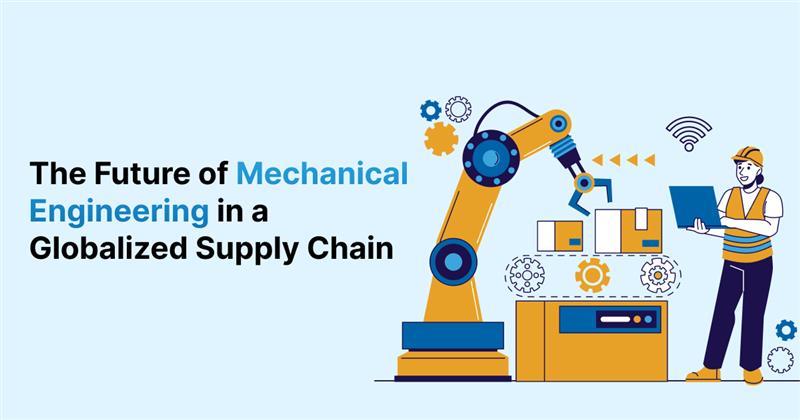
The future for mechanical engineers is being formed in a new way by the growth and development of global supply chains and manufacturing. The days when mechanical engineers were constrained to localized models of production are long gone.
Mechanical engineers are currently part of a complex international system that is characterized by requirements for speed, accuracy, and compatibility. The growth and development of global supply chains mean that engineering must be tailored to accommodate diverse requirements and regulations and sustainability on a global perspective.
This trend is dramatically increasing the significance and nature of mechanical engineering teams in various sectors like autos, energy, and aerospace sectors. The growing mechanical engineering future means that engineers need to combine their knowledge with a systems approach to provide efficiency to differing global processes.
Wondering how to align innovation with efficiency in your operations? Our tailored solutions bridge the gap seamlessly
Globalization in engineering facilitates a new era of design, manufacture, and distribution of mechanical systems around the world. Engineers must design their products for multiple countries, ensuring modularity in design. Engineers need to make sure that what they design is interoperable across various manufacturing facilities.
Globalization in engineering causes increasingly widespread use of digital twins, concurrent engineering, or global design collaboration tools. In upcoming mechanical engineering world, engineers should quickly respond to disruptions in supply chains or geopolitical events. Engineers, because of faster progress in engineering globalization, play a vital role in supply chain agility, unlike before when they were isolated engineers.
Future Mechanical Technology Driving Supply Chain Resilience
Engineering globalisation has transformed how mechanical systems are designed, manufactured, and delivered worldwide.
As engineering globalisation accelerates, mechanical engineers are becoming key enablers of resilient and flexible supply chains rather than isolated technical contributors.
Digital engineering has become central to future mechanical engineering technology, enabling seamless collaboration across continents. Cloud-based CAD, simulation tools, and product lifecycle management platforms ensure that design intent is preserved across global teams.
Engineers can now validate performance virtually before physical production begins. This reduces errors, material waste, and rework costs. The mechanical engineering future increasingly depends on digital-first workflows that support rapid iteration and global visibility.
Key capabilities transforming global engineering workflows include:
These tools strengthen future mechanical engineering technology by aligning design accuracy with supply chain efficiency.
Sustainability has become a core requirement shaping the mechanical engineering future within global supply chains. Engineers must design systems that meet diverse environmental regulations while maintaining performance and cost efficiency. Lightweight materials, energy-efficient machinery, and circular manufacturing principles are now standard expectations.
Engineering globalisation adds complexity, as compliance requirements differ across regions. Mechanical engineers must account for emissions norms, material sourcing ethics, and energy usage metrics. The mechanical engineering future will reward professionals who integrate sustainability into design decisions early, ensuring global compliance without compromising operational reliability or scalability.
The mechanical engineering future demands a broader skill set beyond traditional mechanical principles. Engineers must combine technical depth with digital literacy and cross-functional collaboration skills. Exposure to global manufacturing standards and supply chain dynamics is now essential.
Critical skills shaping the future workforce include:
These capabilities prepare engineers for leadership roles within engineering globalisation frameworks and ensure long-term relevance in evolving industrial ecosystems.
Struggling with designs that don’t scale or processes that slow you down? Katalyst helps you engineer smarter, faster, and better.
Katalyst Engineering exemplifies how engineering firms can support the mechanical engineering future through innovation-driven and globally aligned solutions. By focusing on advanced mechanical design, digital engineering, and scalable manufacturing support, the organization enables clients to operate confidently within global supply chains.
Katalyst Engineering’s approach emphasizes precision engineering, compliance readiness, and future-focused technology adoption. Their expertise aligns with emerging future mechanical technology trends that prioritize efficiency, sustainability, and resilience.
Through structured engineering methodologies and deep domain knowledge, Katalyst Engineering contributes to shaping a globally connected and future-ready mechanical engineering ecosystem.
The mechanical engineering future will continue evolving alongside global supply chain transformation. Organizations that invest in digital tools, sustainable designs, and globally competent engineering teams will gain a competitive edge.
Engineers must remain adaptable, continuously upgrading skills to align with future mechanical engineering technology advancements. Strategic collaboration across global partners will become essential for long-term success.
Forward-looking organizations should focus on:
Need help understanding our services in depth? Our team of experts will specify everything you require. Tap on the Contact Us button and connect with our team today!