At Katalyst Engineering Services, we continually strive to drive innovation by deftly utilizing these resources, changing the issues encountered by various industries and fields with potential solutions.
At Katalyst Engineering Services, we continually strive to drive innovation by deftly utilizing these resources, changing the issues encountered by various industries and fields with potential solutions.

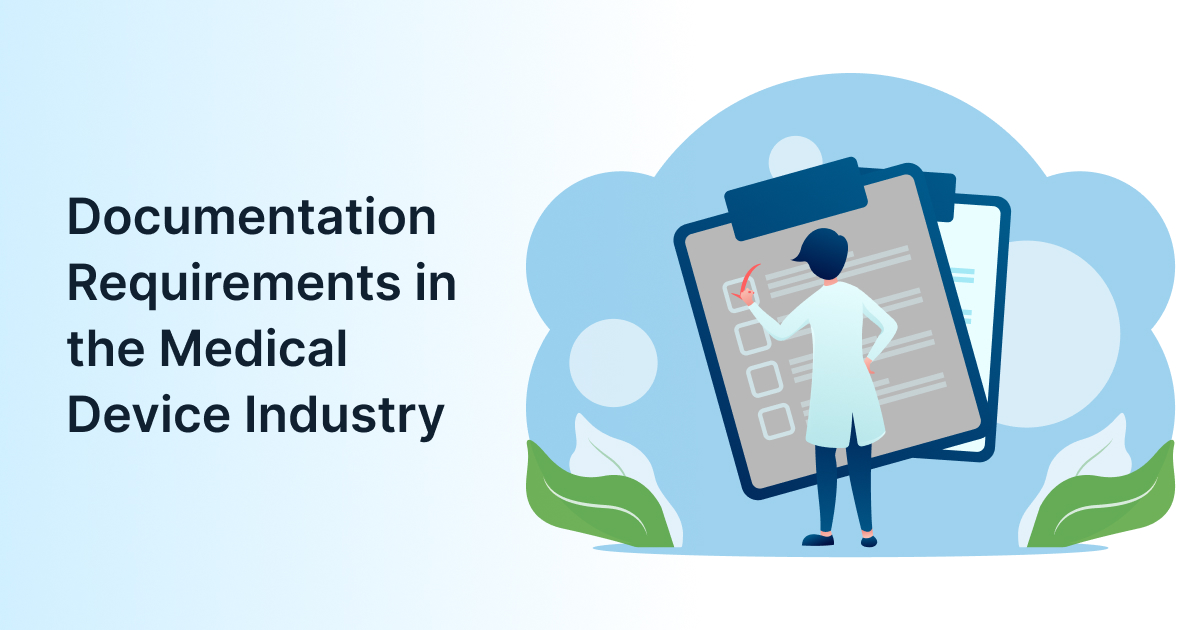
To ensure safety, traceability & regulatory approval, medical device documentation must comprehensively capture design, risk, testing & lifecycle data. Strong documentation systems help manufacturers meet global compliance standards while enabling faster approvals and efficient product lifecycle management.
In the highly regulated medical device landscape, documentation is more than a compliance requirement. It’s the backbone of product approval, safety validation & lifecycle traceability. As regulatory frameworks like MDR tighten globally, organisations must adopt structured, scalable approaches supported by digital transformation in engineering and advanced engineering solutions.
This is where robust documentation practices, supported by services like technical publication services play a crucial role in ensuring consistency, accuracy & audit readiness.

To maintain medical device compliance, manufacturers need structured and traceable documentation that demonstrates product safety, quality & performance throughout its lifecycle.
Medical device documentation ensures –
Industry Stat
“According to NSF International’s analysis on documentation challenges, incomplete or inconsistent documentation is among the top 5 reasons for regulatory delays.”
To meet medical device documentation requirements, organisations must compile detailed technical files covering design, risk, clinical evaluation, manufacturing & post-market data.
Device Description & Specifications
This goes beyond a basic overview. It must clearly define the device’s intended use, target population, operating principles & classification. Regulators rely on this to understand whether the device aligns with its claimed purpose and risk category.
Design & Development Documentation
This includes design inputs, outputs, verification & validation records. It establishes traceability between user needs and final product design. A well-documented design history file ensures that every engineering decision is justified and auditable.
Risk Management Files (ISO 14971)
Risk documentation is central to compliance. It identifies potential hazards, evaluates their severity and probability & outlines mitigation strategies. Importantly, this is not a one-time activity, it must be reviewed and updated throughout the product lifecycle.
Clinical Evaluation Reports
These reports validate whether the device performs safely and effectively in real-world conditions. They typically include clinical data, literature reviews & post-market evidence, forming a critical part of medical device technical documentation.
Labelling & Instructions for Use (IFUs)
These documents ensure the safe and correct use of the product. Poorly written IFUs can lead to misuse, regulatory penalties, or even product recalls, making them an essential part of medical device compliance.
Post-Market Surveillance (PMS)
PMS ensures ongoing compliance by tracking the device’s real-world performance. It includes complaint handling, adverse event reporting & periodic safety updates, key requirements under MDR technical documentation.
These elements form the foundation of technical documentation for medical devices and must be updated throughout the product lifecycle.
To comply with European regulations, manufacturers must align with MDR technical documentation, which demands more detailed and continuously updated data compared to earlier directives.
The EU Medical Device Regulation (MDR) requires –
Compared to earlier frameworks, MDR enforces stricter scrutiny, making medical device technical documentation more comprehensive and dynamic.
To improve efficiency and compliance, companies are adopting digital transformation in engineering to automate and standardise documentation processes.
Key benefits include –
By leveraging advanced engineering solutions, organisations can transition from static documentation systems to dynamic, integrated platforms.
For instance, implementing structured frameworks similar to those discussed in documentation governance frameworks helps maintain consistency and compliance across teams.
To overcome documentation inefficiencies, companies must address common barriers such as fragmented data systems, regulatory complexity & lack of standardisation.
Major Challenges –
1. Complex Regulatory Landscapes
Each region, FDA (US), MDR (EU), CDSCO (India, has its own documentation rules. Managing multiple compliance frameworks simultaneously increases the risk of inconsistencies and gaps in documentation.
2. Data Silos Across Teams
Engineering, regulatory & quality teams often work in separate systems. This lack of integration leads to duplicated work, version mismatches & missing traceability, major red flags during audits.
3. Manual and Legacy Documentation Processes
Many organisations still rely on spreadsheets and static documents. This makes version control difficult and increases the likelihood of human error, especially when dealing with large product portfolios.
4. Frequent Regulatory Updates
Regulations like MDR require continuous updates, not just pre-market submissions. Keeping documentation aligned with evolving rules demands dedicated systems and processes.
5. Scalability Constraints
As companies expand their product lines, managing documentation manually becomes unsustainable. Without structured frameworks, documentation can quickly become inconsistent and non-compliant.
These challenges highlight the need for integrated technical documentation for medical devices supported by automation and governance frameworks.
To create effective medical device technical documentation, organisations must adopt a structured, lifecycle-based approach that integrates compliance and engineering processes.
Step-by-Step Approach –
A strategic framework similar to product lifecycle methodologies discussed in mechanical product development strategies, can significantly improve documentation accuracy and efficiency.
| Feature | Traditional Documentation | Digital Documentation |
| Storage | Paper/Local files | Cloud-based systems |
| Accessibility | Limited | Real-time access |
| Error Rate | High | Low |
| Compliance Tracking | Manual | Automated |
| Scalability | Poor | High |
| Audit Readiness | Time-consuming | Instant |
Digital systems, powered by advanced engineering solutions, are becoming essential for scalable and compliant documentation practices.
To reduce defects and warranty costs, manufacturers must maintain accurate and user-friendly documentation throughout the product lifecycle.
Well-documented products –
As highlighted in role of technical publications in warranty reduction, clear documentation directly contributes to operational efficiency and cost savings.
To ensure medical device compliance, organisations must integrate documentation into every stage of the product lifecycle.
Best Practices –
Combining these practices with digital transformation in engineering ensures long-term regulatory success.
If you’re wondering whether documentation alone ensures compliance, here’s the short answer: it doesn’t. Documentation must be accurate, updated & aligned with regulatory frameworks, otherwise, it becomes a liability instead of an asset.
If you’re asking how to scale documentation across global markets: the answer lies in integrating standardised workflows with digital systems that ensure consistency and traceability.

To successfully navigate complex regulatory environments, organisations must treat medical device documentation as a strategic asset rather than a compliance burden. By leveraging advanced engineering solutions and embracing digital transformation in engineering, manufacturers can streamline processes, improve audit readiness & accelerate time-to-market.
If you’re looking to strengthen your documentation strategy and ensure compliance at scale, explore tailored solutions or get in touch with our experts.
Medical device documentation includes all records related to design, development, testing, approval & lifecycle management of a device. It ensures compliance with regulatory requirements and provides evidence of safety and performance.
2. What are medical device documentation requirements?
These requirements include technical files, risk management documentation, clinical evaluations, labelling & post-market surveillance data. They must comply with standards such as ISO 13485, FDA regulations & EU MDR.
3. What is MDR technical documentation?
MDR technical documentation is the comprehensive set of documents required under the EU Medical Device Regulation. It includes clinical data, risk assessments & post-market performance tracking to ensure continuous compliance.
4. Why is technical documentation for medical devices important?
It ensures traceability, regulatory approval, risk mitigation & product quality. Without proper documentation, devices cannot be legally marketed or maintained.
5. How does digital transformation impact documentation?
Digital transformation enables automation, centralisation & real-time updates, reducing errors and improving compliance efficiency across the product lifecycle.
6. How can companies improve medical device compliance?
By adopting structured documentation frameworks, digital tools, continuous monitoring systems & cross-functional collaboration.

Senior Vice President, Katalyst Engineering
Bhavik Shah is the Vice President of Global Engineering and Manufacturing at Katalyst Engineering, with over 22 years of experience in the engineering industry. He specializes in product development, R&D, and engineering delivery operations, driving innovative, design-led solutions across automotive, industrial, and off-highway sectors. Bhavik plays a key role in strengthening engineering strategies, building global partnerships, and delivering high-performance outcomes for clients.