At Katalyst Engineering Services, we continually strive to drive innovation by deftly utilizing these resources, changing the issues encountered by various industries and fields with potential solutions.
At Katalyst Engineering Services, we continually strive to drive innovation by deftly utilizing these resources, changing the issues encountered by various industries and fields with potential solutions.
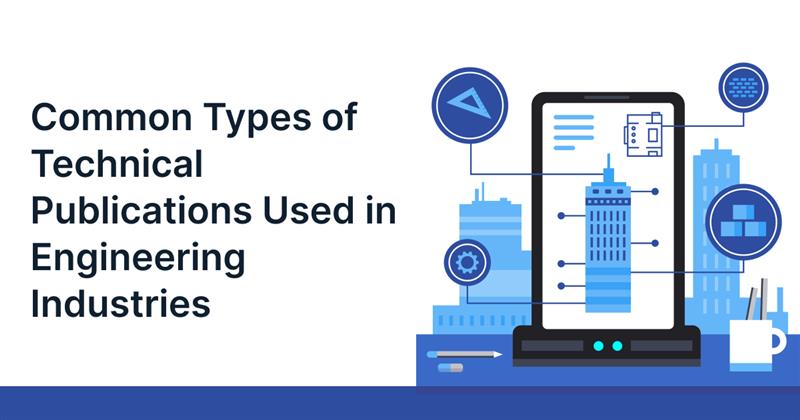
The Role of Technical Publications in Modern Engineering
Engineering industries are under conditions whereby, precision, compliance, and repeatability are uncompromising. The structured communication becomes a vital success factor as systems get more and more complicated. Technical publications make knowledge in engineering always be documented, proved, and disseminated between teams and suppliers and stakeholders.
The standardized engineering documentation can be used in reducing risk and enhancing operational efficiency; it is applicable in product development and infrastructure design up to the operations in the plant. Industry studies have shown that companies that have well developed documentation practices achieve a maximum of 25% fewer project delays.
As the digital transformation gains speed, engineering publication is not just a file but a workflow accessible to modern documentation channels as it enhances quality, regulatory compliance and consistency in all the engineering processes.

Engineering industries demand uncompromising precision, compliance, and repeatability. As systems grow more complex, structured communication becomes essential. This is where Types of Technical Publications play a critical role. They ensure engineering knowledge is accurately documented, validated, and shared across teams, suppliers, and stakeholders. Standardized documentation reduces risk and improves efficiency across product development, infrastructure design, and plant operations.
Industry studies show that organizations with mature documentation practices experience up to 25% fewer project delays. With accelerating digital transformation, engineering publications are shifting from static files to integrated workflows, strengthening quality, regulatory compliance, and consistency across engineering processes.
Design specifications and requirement documents are core engineering publications that define how systems are built and how they must perform. They clearly specify dimensions, materials, tolerances, standards, and functional requirements. In engineering industries, even small ambiguities can trigger costly design changes or operational failures.
Industry data shows that nearly 40% of engineering change requests stem from unclear requirements. This underscores the need for structured authoring and strong version control through a reliable technical documentation platform.
Well-maintained specifications align design, manufacturing, and quality teams while ensuring contractual clarity with vendors. Clear specification documentation improves predictability, reduces risk, and strengthens engineering governance across projects.
User manuals and operating instructions are a vital application of Types of Technical Publications that explains complex engineering systems. The regulated engineering field requires user manuals as they are mandatory and crucial in maintaining safety and quality standards. Examples have shown that poorly organized user manuals contribute to higher rates of errors in engineering operations.
It is also crucial in cutting down service inquiries by up to 35%. Modern engineering operations need a suitable solution for providing scalability in user manuals. Some engineering firms have also implemented various forms of modular documentation in their system. Well-constructed user manuals are crucial in enhancing safety and reliability in engineering products.
Maintenance manuals, service guides, and inspection guides are important engineering documentation. They are primarily focused on, and very critical to, the longevity of engineering assets. They contain step-by-step guides on servicing, repairs, and maintenance. In engineering industries, maintenance of assets, such as in manufacturing, energy, and even transportation, can greatly impact revenue generated.
According to industry analysis, it can reduce equipment downtime by almost 30% when there is proper preventive maintenance, which is heavily dependent on accurate documentation. Also, according to engineering documentation examples, technicians can significantly be more efficient and compliant when servicing using properly standardized service documentation.
There are now digital platforms available for documentation, which ensures real-time updates of guides. Proper maintenance documentation ensures the longevity of assets, conducive operations, and compliance.
Complying with documentation is an important type of Types of Technical Publications, primarily utilized in engineering industries that have strict regulations. These are used to show compliance with safety standards, environmental standards, and quality standards. There are chances of having validating reports, certification reports, audit reports, and risk assessments included in it.
Utilizing an efficient technical documentation platform helps in having proper control over compliance-related documents. Having efficient compliance-related documentation helps in reducing legal complications, as well as providing higher credibility to the company, with the capacity of having an efficient response to engineering-related regulations while in operation.
| Publication Type | Primary Purpose | Key Users | Business Impact |
| Technical Reports | Analysis and decision support | Engineers, Management | Reduced rework, informed decisions |
| Design Specifications | Define requirements | Design, Manufacturing | Fewer change requests |
| User Manuals | Operational guidance | End users, Support | Lower support costs |
| Maintenance Documents | Asset reliability | Technicians | Reduced downtime |
| Compliance Records | Regulatory proof | Auditors, QA | Faster audits |
The evolution of digital tools is transforming how Types of Technical Publications are created and managed. Cloud-based platforms, structured authoring, and content reuse models are fast becoming the norm across engineering industries. The strategic move toward integrated best technical documentation software allows teams from engineering, quality, and compliance departments to collaborate on various projects.
These tools support scalability, traceability, and faster updates. As engineering projects become increasingly global, centralized platforms for documentation ensure control without sacrificing agility. Technology-driven documentation strategies will, henceforth, be a differentiator rather than an operational given.
At Katalyst Engineering, technical publications are managed as strategic assets. With expertise across engineering industries, the company delivers structured, compliant, and scalable documentation aligned with operational goals and regulatory needs. By emphasizing clarity, governance, and lifecycle management, Katalyst Engineering helps teams reduce risk, improve efficiency, and ensure consistent engineering outcomes.
Understanding the common Types of Technical Publications used in engineering industries is essential for building resilient, compliant, and efficient operations. From technical reports to maintenance manuals, each publication serves a distinct purpose within the engineering lifecycle.
As documentation complexity increases, organizations must adopt structured approaches and modern documentation platforms. Investing in high-quality engineering publications improves collaboration, reduces operational risk, and supports long-term growth. Explore how structured technical documentation can strengthen engineering outcomes and support future-ready engineering operations.

1. What types of technical publications doesKatalystEngineering support for engineering industries?
A: Katalyst Engineering supports key Types of Technical Publications, including technical reports, design specifications, user manuals, maintenance documents, SOPs, and compliance records for engineering industries.
2. How doesKatalystEngineering ensure compliance in engineering publications?
A: Katalyst Engineering follows structured documentation frameworks and regulatory standards to ensure engineering publications remain audit-ready and compliant.
3. Why are standardized technical publications important in engineering industries?
A: Standardized Types of Technical Publications reduce risk, improve efficiency, and ensure consistency across engineering workflows and project lifecycles.
4. Can Katalyst Engineering modernize legacy engineering documentation?
A: Yes, Katalyst Engineering helps convert legacy documents into scalable, digital technical documentation solutions with better control and accessibility.
5. How does Katalyst Engineering add value beyond basic engineering documentation?
A: Katalyst Engineering aligns engineering publications with operational goals, regulatory needs, and long-term lifecycle management to drive sustainable outcomes.
Bhavik Shah is the Vice President of Global Engineering and Manufacturing at Katalyst Engineering, with over 22 years of experience in the engineering industry. He specializes in product development, R&D, and engineering delivery operations, driving innovative, design-led solutions across automotive, industrial, and off-highway sectors. Bhavik plays a key role in strengthening engineering strategies, building global partnerships, and delivering high-performance outcomes for clients.
Need help understanding our services in depth? Our team of experts will specify everything you require. Tap on the Contact Us button and connect with our team today!