At Katalyst Engineering Services, we continually strive to drive innovation by deftly utilizing these resources, changing the issues encountered by various industries and fields with potential solutions.
At Katalyst Engineering Services, we continually strive to drive innovation by deftly utilizing these resources, changing the issues encountered by various industries and fields with potential solutions.

Summary
Manufacturing is evolving rapidly. Smart machines, connected factories, and advanced automation systems are transforming how products are designed and produced.
However, many organizations still rely on outdated documentation processes, static manuals, scattered files, and manual updates.
This disconnect creates operational inefficiencies.
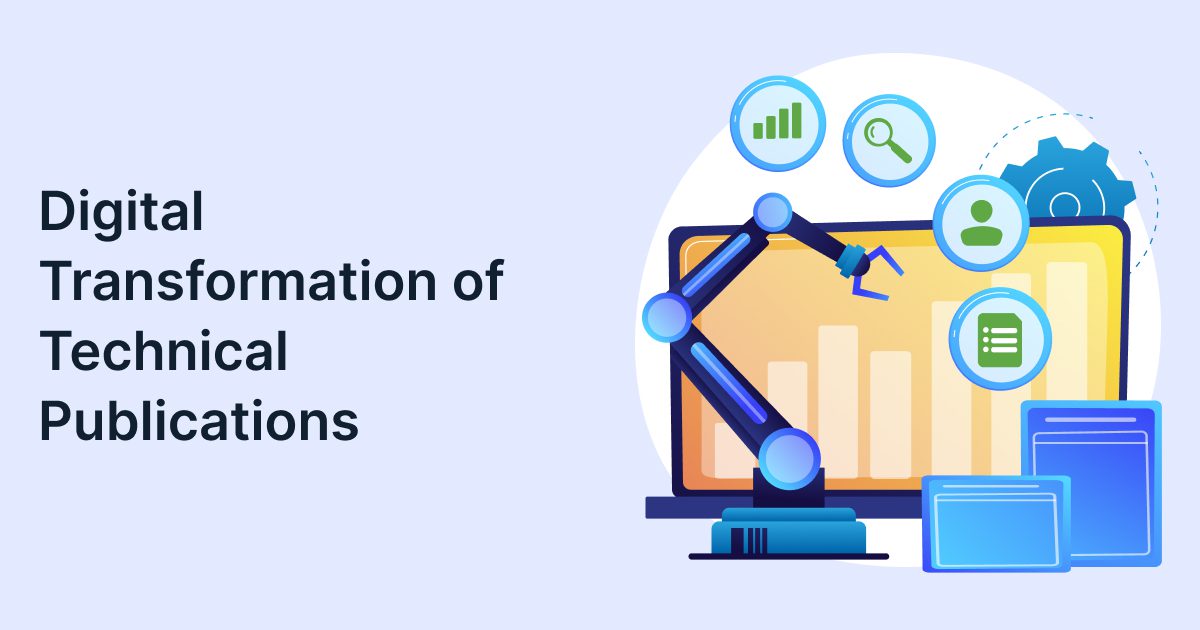
The digital transformation of technical publications Services helps organizations move beyond traditional documentation and adopt intelligent technical documentation systems powered by digital platforms and AI tools.
Instead of static documents, technical information becomes a living knowledge system that evolves with engineering changes, improves collaboration, and supports operational efficiency.
For modern manufacturers, documentation is no longer just paperwork. It is a strategic knowledge asset supporting engineering, production, and compliance.
The digital transformation of technical publications refers to converting traditional engineering manuals into structured digital technical documentation systems integrated with engineering platforms such as PLM, ERP, and AI tools.
These intelligent documentation systems improve accuracy, automate updates, support compliance, and enable faster collaboration across manufacturing and engineering teams.
Instead of isolated documents, organizations build connected documentation ecosystems where engineering data automatically flows into technical publications.

Manufacturing systems today combine mechanical engineering, electronics, embedded software, and industrial automation. As products become more complex, the volume of technical information that organizations must manage also increases significantly.
Many organizations still rely on disconnected documentation systems, manual updates, and scattered files across teams. Over time, this creates confusion about which version of information is correct and whether documentation reflects the latest engineering changes.
Organizations that want to modernize documentation workflows often begin by understanding the role of technical publications in engineering and manufacturing in maintaining consistency across design, production, and regulatory compliance.
Typical documentation managed in manufacturing environments includes:
When documentation systems remain fragmented, several operational challenges appear:
These issues highlight why organizations must move toward digital technical documentation systems that ensure accuracy, traceability, and collaboration across the entire engineering lifecycle.
The shift toward digital technical documentation introduces significant improvements in how engineering information is created and managed.
| Traditional Documentation | Digital Technical Documentation |
| Static manuals | Dynamic digital content |
| Manual updates | Automated version control |
| Isolated files | Integrated engineering systems |
| Limited accessibility | Cloud-based collaboration |
| Difficult revision tracking | Lifecycle traceability |
Through digital transformation, documentation becomes directly connected to engineering workflows, ensuring accuracy and faster updates.
Modern production environments require documentation that can adapt quickly to engineering changes. This is where intelligent technical documentation provides major benefits.
Understanding why technical publications matter becomes especially important in complex manufacturing environments where accurate documentation supports engineering clarity and operational efficiency.
Faster Engineering Change Management
When product designs evolve, documentation updates automatically across connected systems.
Reduced Production Errors
Standardized digital instructions reduce misinterpretation on production floors.
Improved Compliance Readiness
Digital traceability ensures documentation aligns with regulatory requirements.
Global Engineering Collaboration
Teams across different locations can access a single source of documentation.
Long-Term Knowledge Preservation
Critical engineering knowledge remains accessible across product lifecycles.
These advantages make documentation modernization a key part of digital transformation in the manufacturing industry.
AI technologies are accelerating the evolution of AI technical publications.
Artificial intelligence helps organizations manage documentation more efficiently.
AI tools generate structured documentation from engineering data.
Modular documentation allows teams to reuse standardized content blocks across products.
AI-driven search engines help technicians quickly find relevant procedures.
Machine learning systems detect engineering changes and recommend documentation updates.
These capabilities transform documentation into a dynamic engineering knowledge platform.
In industries involving advanced electronics or embedded systems, digital signal processing technical publications play an important role.
These documents often include:
Digitizing these publications allows engineers to maintain accurate documentation as signal processing systems evolve.
Industries that benefit significantly include:
Organizations adopting intelligent documentation systems usually follow a structured digital transformation strategy.
Implementing a well-defined digital transformation strategy helps engineering organizations align documentation systems with PLM platforms, automation tools, and compliance workflows. This approach ensures that documentation evolves alongside product development and manufacturing processes.
In manufacturing environments, outdated or inconsistent documentation can lead to:
Digital documentation systems help eliminate these issues by creating a single source of engineering truth.
This insight highlights why documentation modernization must focus on information strategy, not just software tools.

Manufacturing systems are becoming more connected and data-driven. As engineering complexity grows, traditional documentation methods are no longer sufficient.
The digital transformation of technical publications enables organizations to build intelligent technical documentation ecosystems that connect engineering data, AI tools, and operational workflows.
These systems improve efficiency, reduce operational risk, and ensure documentation evolves alongside engineering innovation.
Organizations that modernize documentation today will build stronger knowledge systems and more resilient manufacturing operations.
Connect with Katalyst Engineering experts to explore how digital transformation can turn your documentation into a powerful engineering knowledge ecosystem.
1. What is digital technical documentation?
Digital technical documentation refers to engineering documentation managed through digital platforms and structured content systems instead of traditional manual documents.
2. How do AI technical publications work?
AI technical publications use artificial intelligence to automate documentation generation, improve search capabilities, and keep documentation synchronized with engineering changes.
3. Why is digital transformation important for technical publications?
Digital transformation ensures documentation remains accurate, traceable, and synchronized with engineering systems, reducing operational errors and improving compliance.
4. Which industries benefit most from intelligent technical documentation?
Industries such as aerospace, automotive, industrial manufacturing, and medical devices benefit the most due to complex engineering and regulatory requirements.
5. What tools support digital technical documentation systems?
Common tools include PLM platforms, structured authoring systems, AI documentation tools, content management systems, and digital publishing platforms.

Senior Vice President, Katalyst Engineering
Bhavik Shah is the Vice President of Global Engineering and Manufacturing at Katalyst Engineering, with over 22 years of experience in the engineering industry. He specializes in product development, R&D, and engineering delivery operations, driving innovative, design-led solutions across automotive, industrial, and off-highway sectors. Bhavik plays a key role in strengthening engineering strategies, building global partnerships, and delivering high-performance outcomes for clients.