At Katalyst Engineering Services, we continually strive to drive innovation by deftly utilizing these resources, changing the issues encountered by various industries and fields with potential solutions.
At Katalyst Engineering Services, we continually strive to drive innovation by deftly utilizing these resources, changing the issues encountered by various industries and fields with potential solutions.

To choose the right engineering partner for agricultural equipment development, you need to assess domain expertise, product engineering services, scalability & innovation capabilities. The right engineering services partner ensures efficient agricultural equipment design, reduced development risks & faster time-to-market.
In today’s fast-evolving agricultural landscape, selecting the right partner for agricultural equipment development is no longer optional, it’s a strategic necessity. From agricultural machinery design to full-scale agricultural equipment manufacturing, the right engineering partner directly impacts performance, cost efficiency & long-term success.
Modern manufacturers increasingly depend on engineering services, engineering design services & advanced engineering solutions to keep pace with innovation and market demands.
If you’re evaluating specialised capabilities, explore how agriculture equipment manufacturers’ engineering services support the entire lifecycle, from concept to production.

Decision Snapshot
To ensure successful agricultural equipment development, you need an engineering partner that aligns with your technical goals, manufacturing plans & market expectations. A strong partner reduces development risks and accelerates product engineering outcomes.
The agricultural equipment industry is transforming rapidly due to –
A wrong choice can lead to –
This reinforces the need for reliable engineering consulting and advanced engineering solutions.
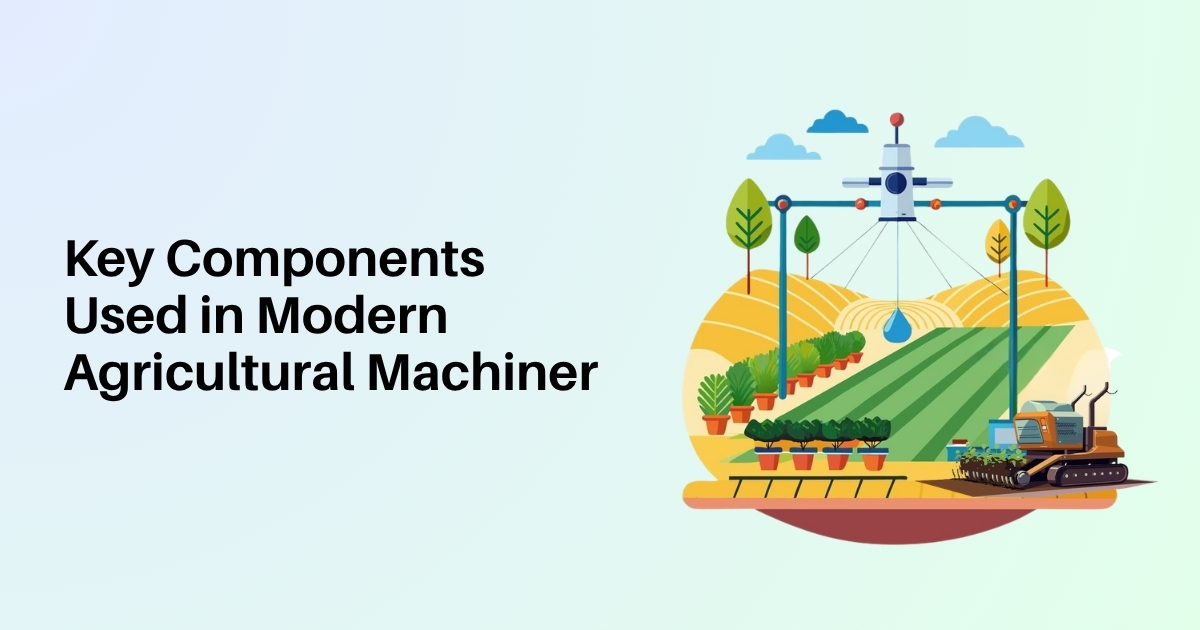
To develop high-performance agricultural equipment, you need a partner with deep expertise in agricultural machinery design, operational environments & compliance standards.
A capable engineering services provider should bring –
Practical Industry Knowledge
Engineering Depth
Compliance Awareness
This level of expertise ensures optimised agricultural equipment design that performs reliably in real-world conditions.
To ensure smooth development from idea to production, you need comprehensive product engineering services covering design, validation & manufacturing readiness.
A strong partner offers –
1. Concept & Feasibility
2. Detailed Design
3. Prototyping & Validation
4. Manufacturing Support
A structured approach like the one explained in the agricultural equipment design process helps reduce uncertainty and improve product reliability.
To stay competitive, you need advanced engineering solutions that integrate simulation, automation & digital technologies into the development process.
Modern engineering consulting should include –
1. Simulation-Driven Engineering
2. Digital Prototyping
3. Smart Integration
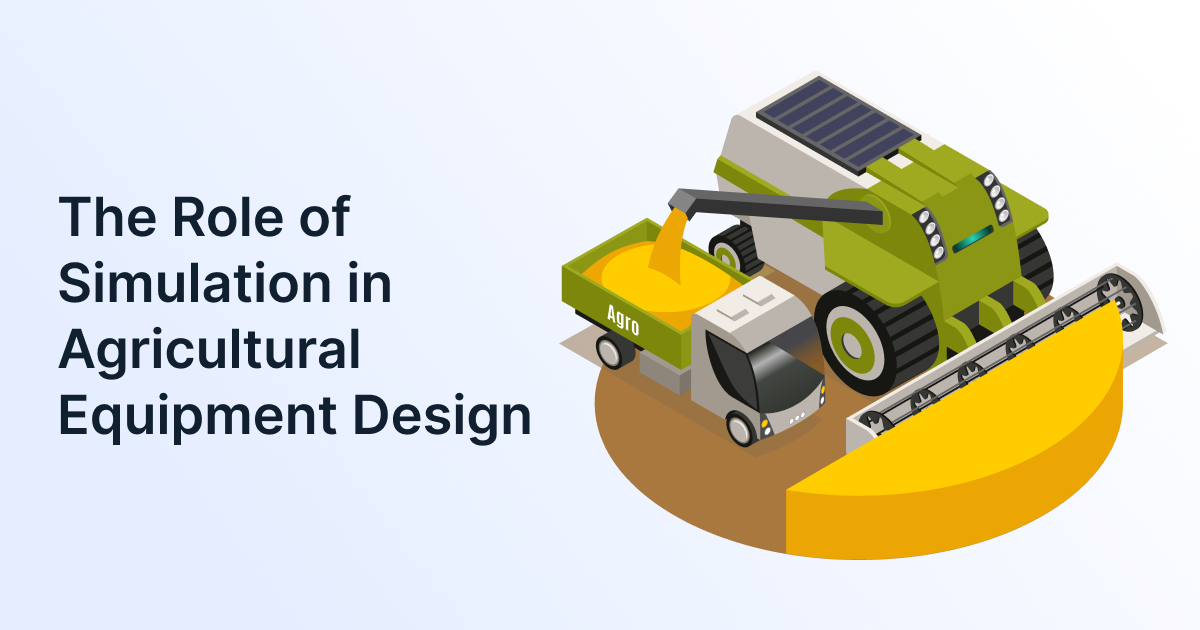
The impact of simulation is particularly significant, explained in detail in the role of simulation in agricultural equipment design, where virtual testing reduces physical trial errors.
To achieve scalability and manufacturing consistency, you need OEM engineering services that align with your production ecosystem and supplier network.
Strong OEM support enables –
1. Seamless Manufacturing Integration
2. Supply Chain Alignment
3. Cost Optimisation
This becomes critical when scaling agricultural equipment manufacturing across multiple markets.
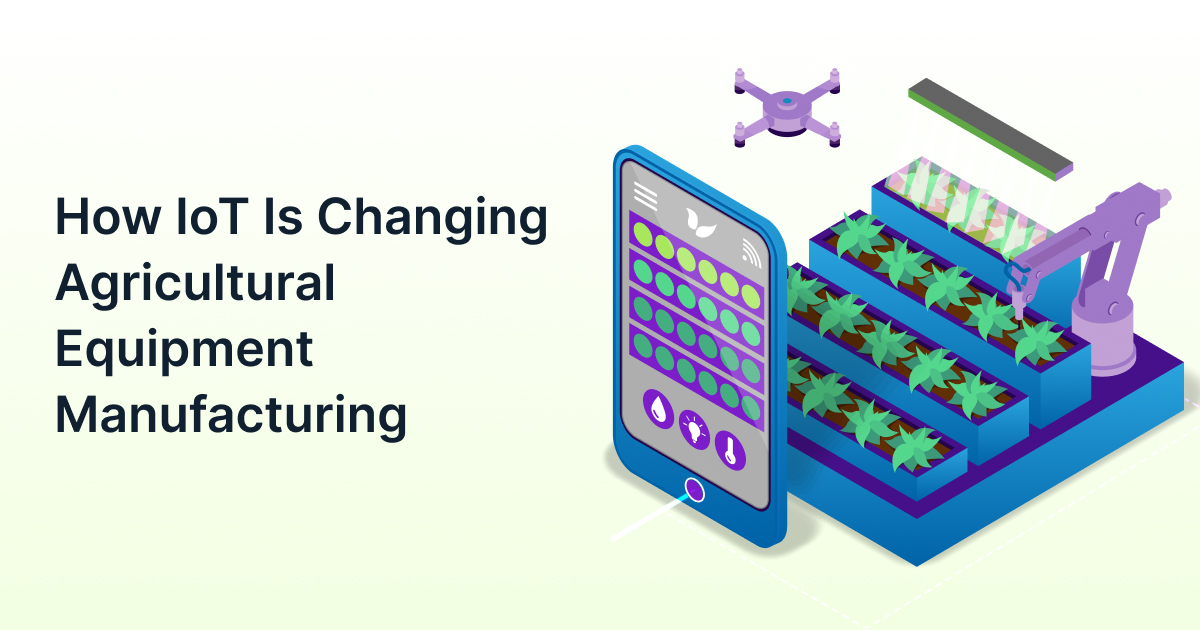
To improve field performance and equipment efficiency, you need engineering services that integrate IoT-enabled capabilities into agricultural machinery.
IoT-driven equipment offers –
1. Real-Time Monitoring
2. Predictive Maintenance
3. Data-Led Decisions
This shift is clearly illustrated in how IoT is changing agricultural equipment manufacturing, where connected machinery enhances productivity.
To choose the right engineering consulting partner, you need to assess technical capability, innovation, delivery consistency & industry experience.
Use this checklist –
1. Technical Capability
2. Industry Experience
3. Innovation Readiness
4. Delivery Track Record
5. Collaboration Approach
A partner that scores well across these areas ensures reliable engineering services delivery.
In-House vs Engineering Partner
| Criteria | In-House Team | Engineering Partner |
| Expertise | Limited skillset | Cross-domain expertise |
| Cost | High fixed overhead | Flexible cost model |
| Technology | Limited tools | Advanced engineering solutions |
| Speed | Slower execution | Faster time-to-market |
| Scalability | Restricted | Highly scalable |
To make a confident decision, you need to avoid common mistakes that compromise quality, scalability & long-term efficiency.
Avoid these pitfalls –
To successfully develop high-performance agricultural equipment, you need more than just an engineering vendor, you need a long-term engineering partner aligned with your innovation and growth strategy.
Choosing the right partner ultimately comes down to one question: Can they support your product, not just at launch, but throughout its lifecycle? Instead of treating this as a one-time selection, think of it as building a long-term collaboration that supports your roadmap, from concept to continuous improvement.
If you’re exploring how to translate your agricultural equipment ideas into scalable, high-performance solutions, it’s worth connecting with experts who specialise in this space. You can start the conversation here.

1. What are engineering services in agricultural equipment development?
Engineering services include design, prototyping, simulation, testing & manufacturing support. These services help optimise agricultural equipment for performance, durability & cost-effectiveness while reducing development timelines and risks.
2. Why is agricultural equipment design important?
Agricultural equipment design ensures machinery performs efficiently across varying environmental conditions. It improves productivity, reduces maintenance costs & enhances equipment longevity.
3. What are OEM engineering services?
OEM engineering services focus on designing components and systems that integrate seamlessly into manufacturing processes, ensuring scalability, quality & consistency.
4. How do advanced engineering solutions help?
Advanced engineering solutions use simulation, IoT & digital tools to improve design accuracy, reduce errors & accelerate product development cycles.
5. How should I evaluate an engineering consulting partner?
Evaluate based on technical expertise, industry experience, innovation capabilities, delivery track record & collaboration approach.
6. What role does IoT play in agricultural equipment?
IoT enables real-time monitoring, predictive maintenance & data-driven decision-making, improving efficiency and reducing downtime.

Senior Vice President, Katalyst Engineering
Bhavik Shah is the Vice President of Global Engineering and Manufacturing at Katalyst Engineering, with over 22 years of experience in the engineering industry. He specializes in product development, R&D, and engineering delivery operations, driving innovative, design-led solutions across automotive, industrial, and off-highway sectors. Bhavik plays a key role in strengthening engineering strategies, building global partnerships, and delivering high-performance outcomes for clients.