At Katalyst Engineering Services, we continually strive to drive innovation by deftly utilizing these resources, changing the issues encountered by various industries and fields with potential solutions.
At Katalyst Engineering Services, we continually strive to drive innovation by deftly utilizing these resources, changing the issues encountered by various industries and fields with potential solutions.

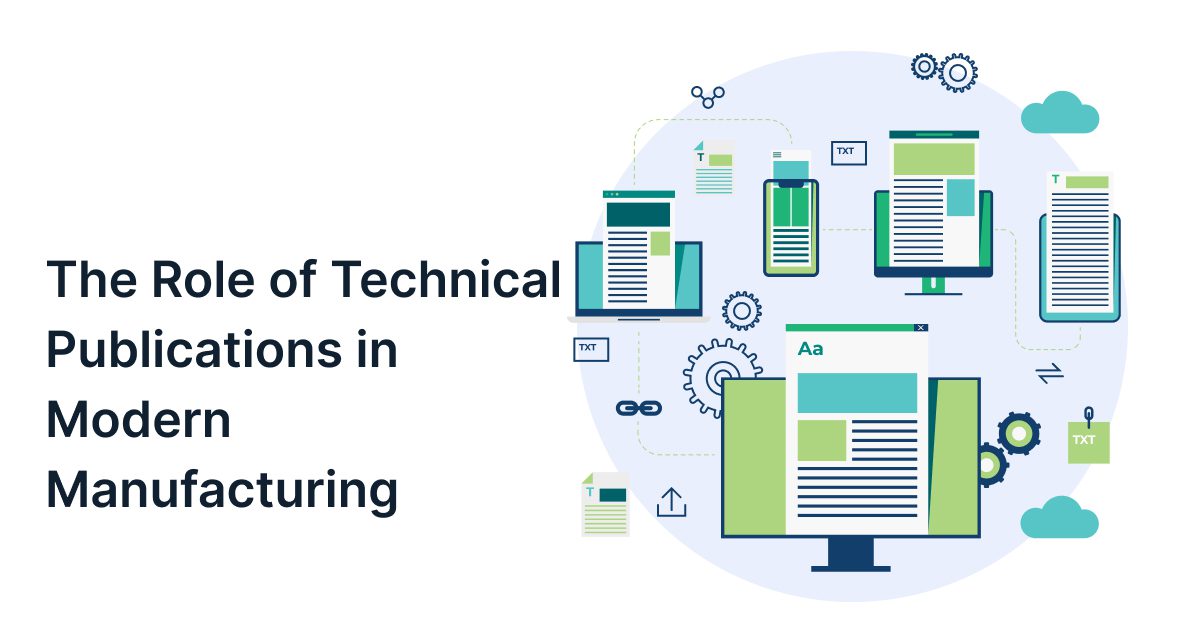
The modern manufacturing is a high stakes environment. Firms must meet strict deadlines, more complicated production cycles, and regulations. Even small mistakes during assembly, maintenance, or documentation may cause a lot of money loss, safety, or downtime. This is where the aspect of technical research manufacturing and quality technical publications come in as very vital instruments. They make sure that knowledge can be appropriately recorded, shared, and implemented throughout the manufacturing ecosystem and assist the teams to operate effectively and safely.
Manufacturing documentation of high quality is not just about manuals; it is about a point in between research insights and operational implementations. These documents minimize mistakes, enhance productivity by ensuring precise and actionable guidance as well as enhancing compliance.
With the complex manufacturing services more companies are turning to the use of technical research manufacturing to remain competitive. This method involves serious engineering research and applied production knowledge to develop workflow and best practices.
Formatted records guarantee that learnings made during experiments, prototypes and process reviews are captured in formats that can be used with confidence by the operators and engineers. One of the studies by the International Society of Automation demonstrated that the structured technical documentation decreases the process errors by 27% and enhances the general efficiency of production.
The benefits of manufacturing documentation include:

Successful manufacturers acknowledge that engineering technical publications are not only the supporting resources, but the strategic ones. The technical publications nowadays are not only multi-purpose instruction manuals but also are considered as a source of authority on design, assembly, quality inspection, and maintenance.
Some key technical publications examples include:
| Document Type | Purpose |
| Installation Guides | Provide step-by-step instructions for equipment setup to avoid errors and downtime. |
| Standard Operating Procedures (SOPs) | Define consistent workflows to maintain production quality. |
| Compliance Records | Document adherence to industry regulations and safety standards. |
| Maintenance Manuals | Support preventive and corrective maintenance to extend equipment life. |
| Training Manuals | Enable rapid onboarding and upskilling of production staff. |
Industrial documentation like this ensures every process is replicable and measurable. It helps manufacturing teams reduce mistakes, improve coordination across departments, and maintain high-quality standards consistently.
Even experienced teams struggle when documentation is inadequate. Poorly written or outdated documents lead to confusion, errors, and delays. The adoption of digital technical publications can solve these common problems:
A study highlights that companies that digitise industrial documentation experience 20–30% faster knowledge transfer between teams and improved operational continuity.
Digital transformation is revolutionising how manufacturers implement technical research manufacturing.AI- driven and modern manufacturing tools such as cloud-based platforms, AI, and interactive media are enabling real-time updates, intelligent search, and rich multimedia documentation.
For instance, studies show that AR-enabled assembly guides can improve comprehension by up to 40% compared to traditional manuals, highlighting the measurable impact of digital technical publications.
To maximise the value of industrial documentation, manufacturers should follow these best practices:
Following these principles ensures that your manufacturing documentation remains accurate, reliable, and valuable over time.
At Katalyst Engineering, engineering technical publications are treated as a cornerstone of operational excellence. Their team specialises in creating comprehensive manufacturing documentation that supports engineers, technicians, and decision-makers.
Key strengths include:
Katalyst Engineering demonstrates how well-crafted technical research manufacturing documents can improve efficiency, safety, and scalability making them a trusted partner for manufacturing enterprises seeking operational excellence.
In an era of fast-paced industrial innovation, well-structured technical research manufacturing and engineering technical publications are more than documentation they are strategic tools. They reduce errors, improve compliance, accelerate training, and increase operational efficiency.
Manufacturers who invest in high-quality industrial documentation today will gain a competitive advantage tomorrow. Explore Katalyst Engineering’s expertise to transform your technical publications into a growth-driving asset for your business.


Senior Vice President, Katalyst Engineering
Bhavik Shah is the Vice President of Global Engineering and Manufacturing at Katalyst Engineering, with over 22 years of experience in the engineering industry. He specializes in product development, R&D, and engineering delivery operations, driving innovative, design-led solutions across automotive, industrial, and off-highway sectors. Bhavik plays a key role in strengthening engineering strategies, building global partnerships, and delivering high-performance outcomes for clients.